
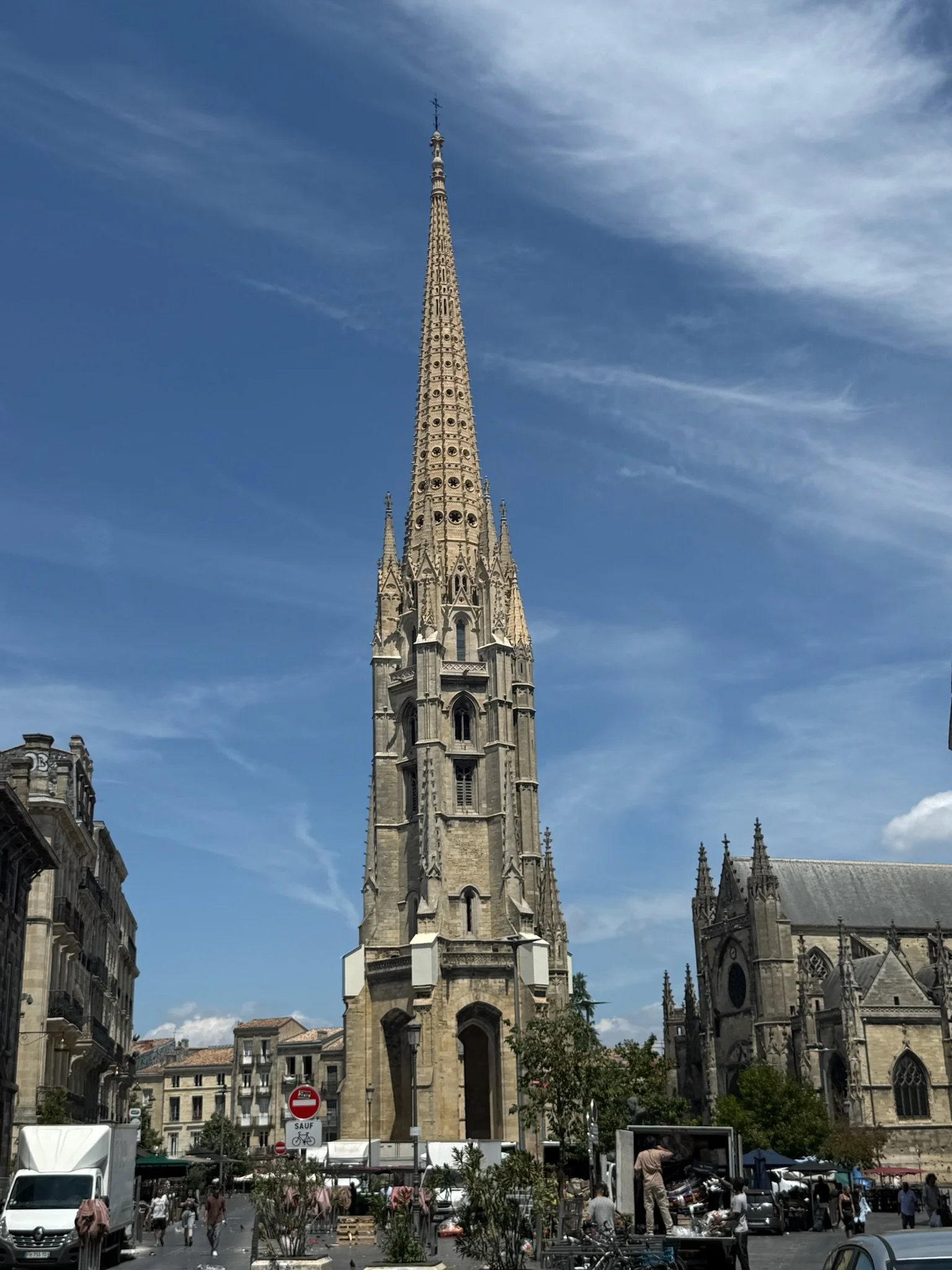
Originally the site of a pilgrimage for monks, Bordeaux features multiple churches, including the Gothic Basilica of St. Michel, which is one of the tallest in France and boasts an impressive spire. Industrious monks got into winemaking (lucky us!), and Bordeaux became a big port city for wine and later through the transatlantic slave and slave-produced goods industry.
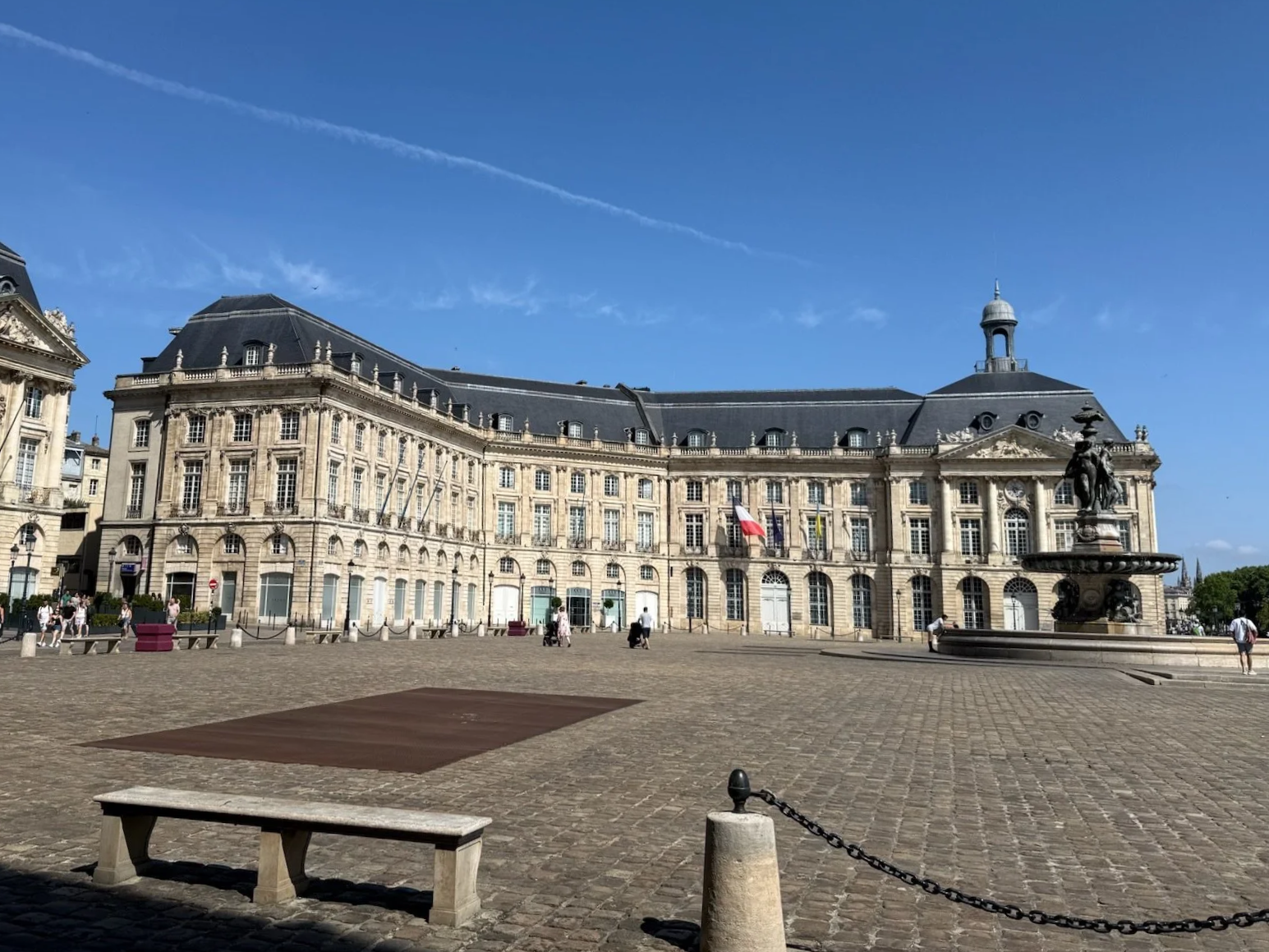
Bordeaux has been dubbed “Little Paris”, but the beige limestone buildings and Mansard roofs that have long been associated with the City of Lights were actually inspired by a street built in 18th century Bordeaux. The wrought iron balconies and tall windows that are found throughout the city also became mainstay features in Parisian architecture.
It’s been almost 4 years since I last visited the Bordeaux region, but that’s barely a blink in this region’s long history. The beauty and storied past of this part of France combined with the ease of navigating through it resulted in a relaxing, inspiring, and invigorating getaway.
Whether touring a classic, grand chateau that was constructed almost 1,000 years ago or exploring more playfully-designed dwellings in a seaside town, we learned how these diverse architectural forms resulted from the need, through time, to pray, protect, impress, and live. Each place we visited told the layered tales of a region rich with varied influences and always with a deep connection to the surrounding landscape.
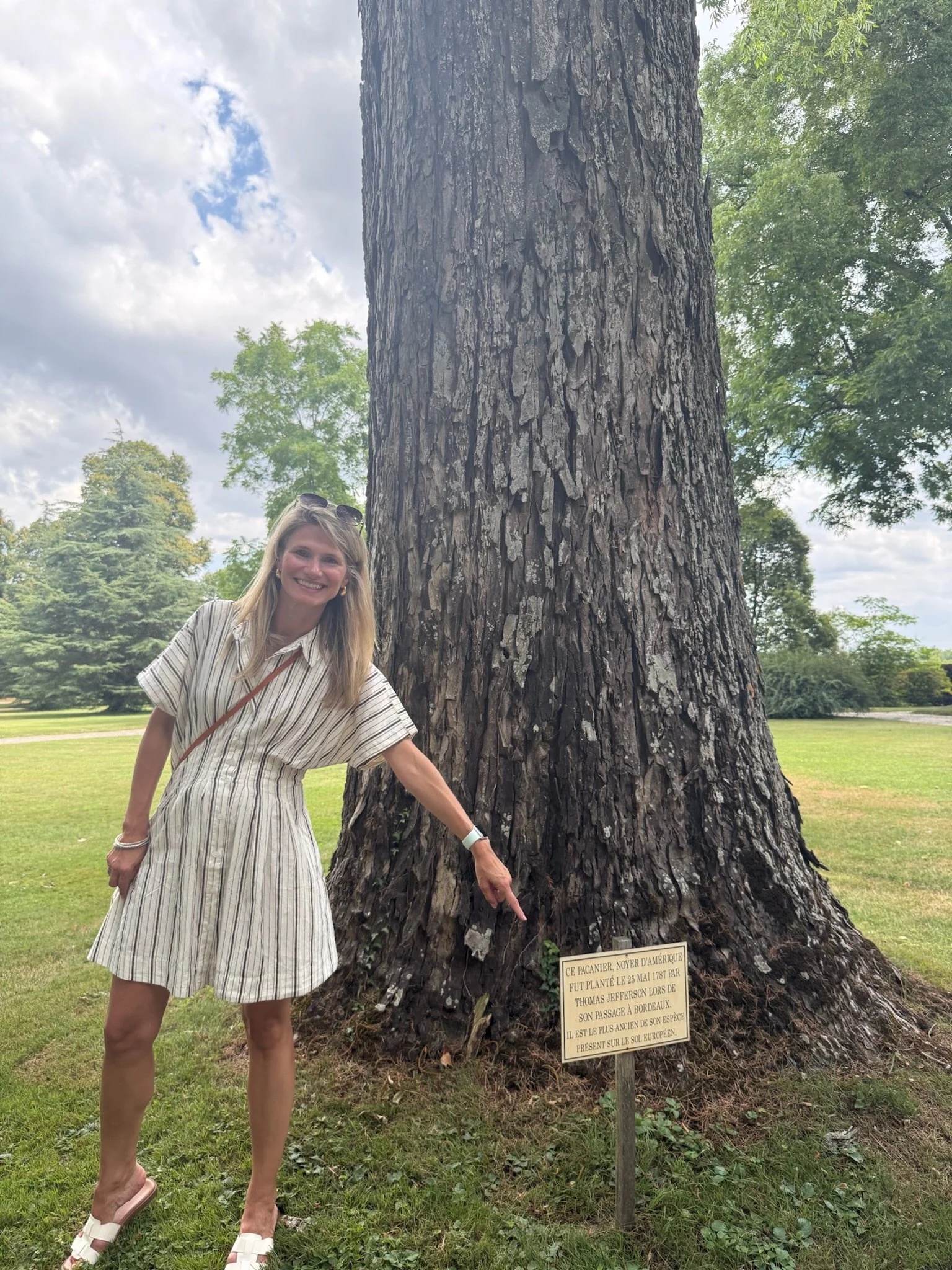
Chateau Carbonnieux, located just minutes outside of the city and built in the 13th century for monks, features architecture that reflects the simplicity and sturdiness of monastic life. Chateau Carbonnieux also has a distinctly American tie; it was visited by Thomas Jefferson, who loved traveling to vineyards during his years in France and gifting southern pecan trees.
Jefferson would be pleased to know that his legacy lives on: Chateau Carbonnieux features one of the original trees, which has been regrafted over time and exemplifies the exchange of ideas and influences between America and France over centuries. As we walked over the crushed gravel and marvelled at the limestone structures, we felt the calm and quiet spirit that Jefferson would have likely encountered.
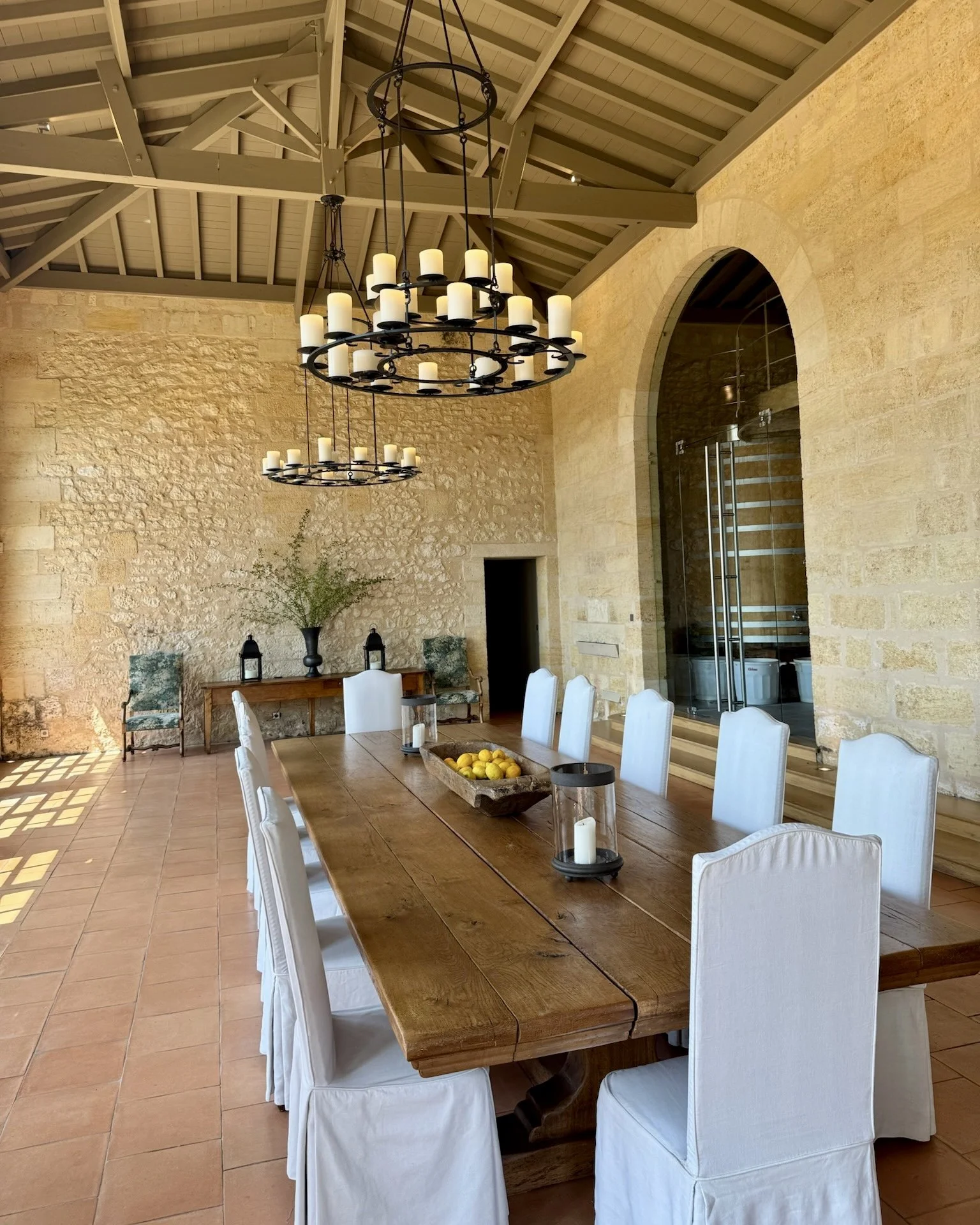
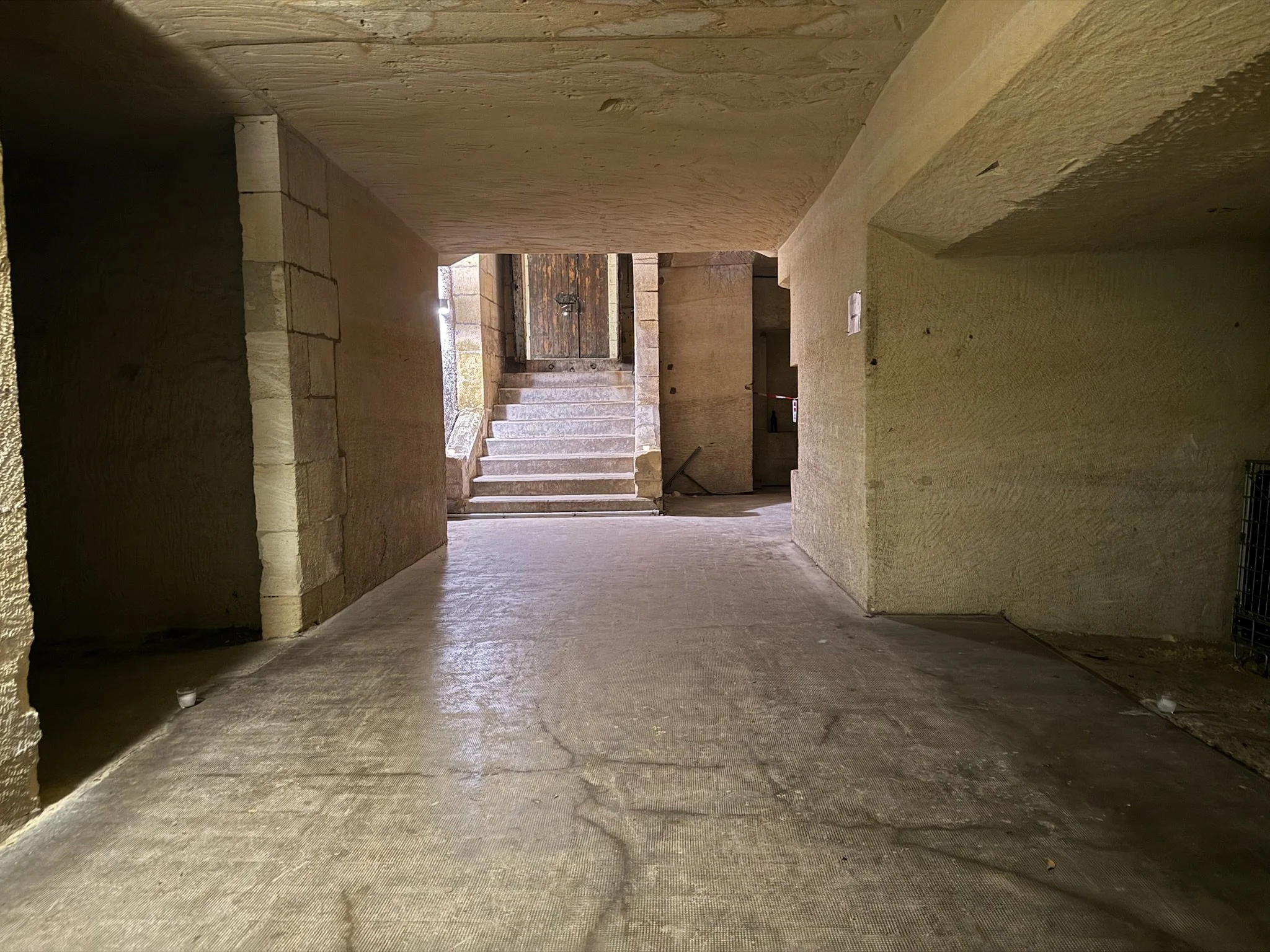
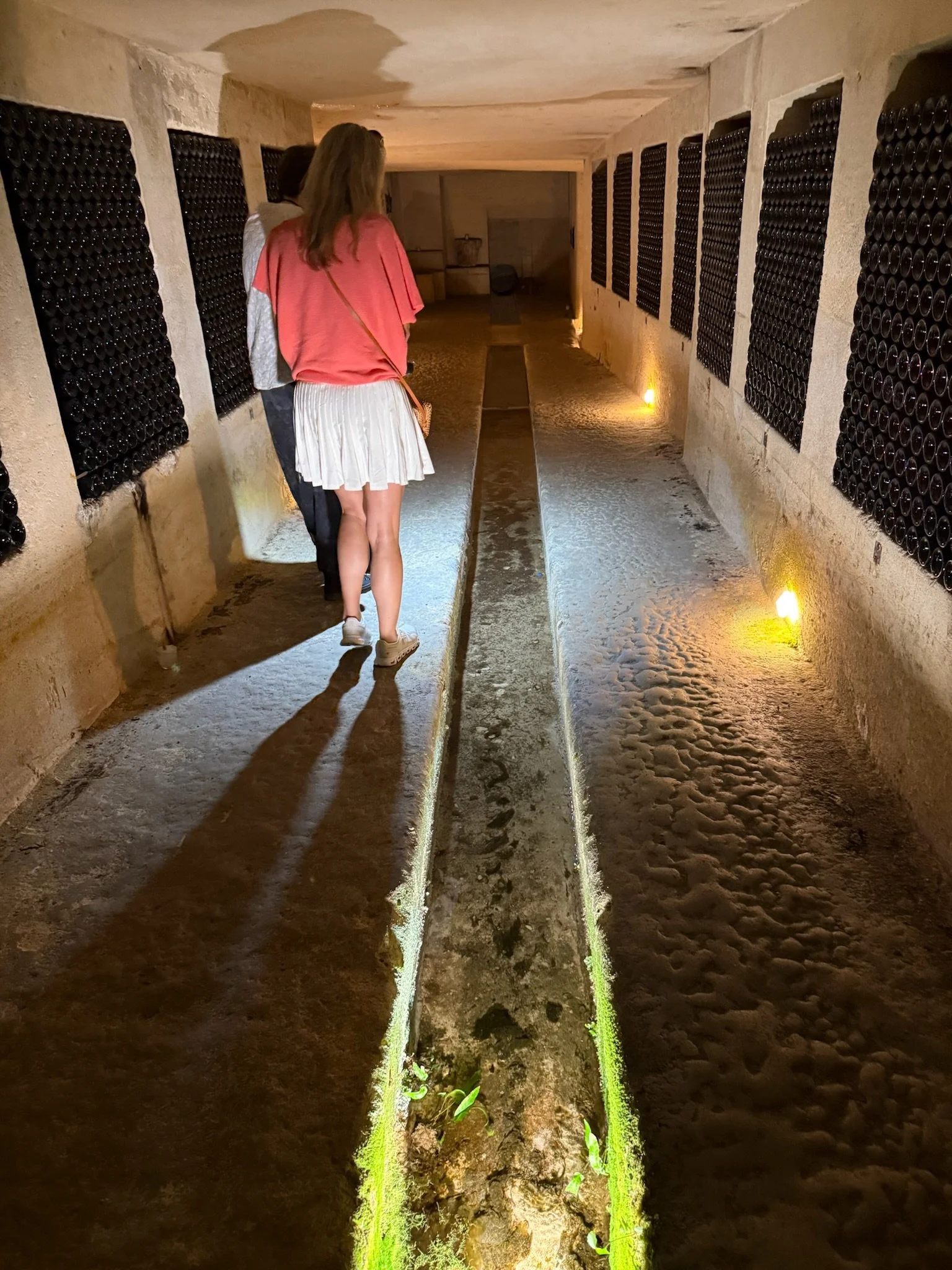
From Bordeaux, we traveled to St. Emilion, where the architecture and the earth below mirror each other. It is here that limestone, cut from the ground into stones and boulders, became the primary material for building. At the same time, this excavation process made networks of passages, which are utilized for natural storage even today. We stayed in a chateau, an accessible homebase for visiting vineyards including Chateau de la Dauphine, which was originally built in 1750, and Chateau Fonplengade.
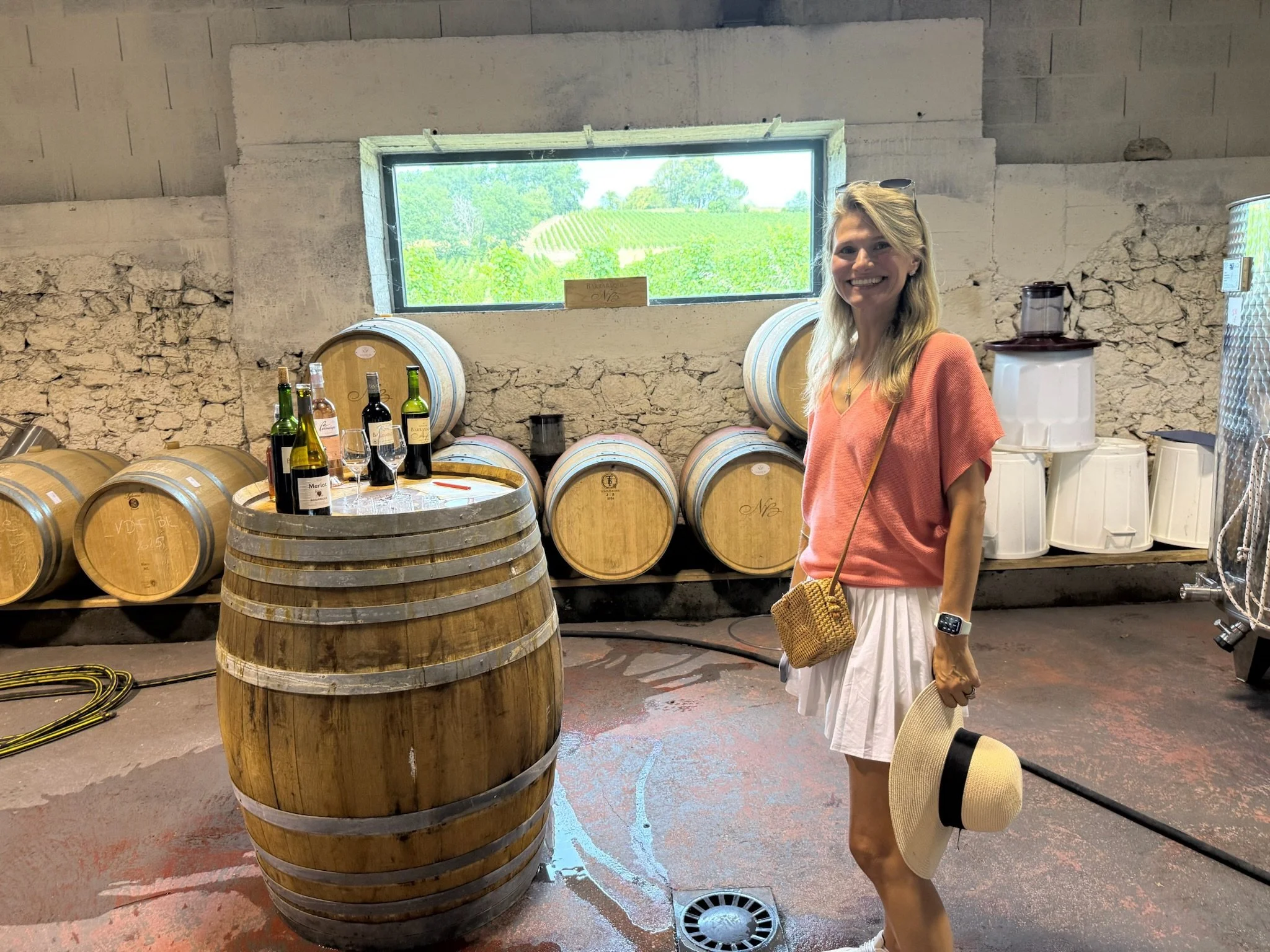
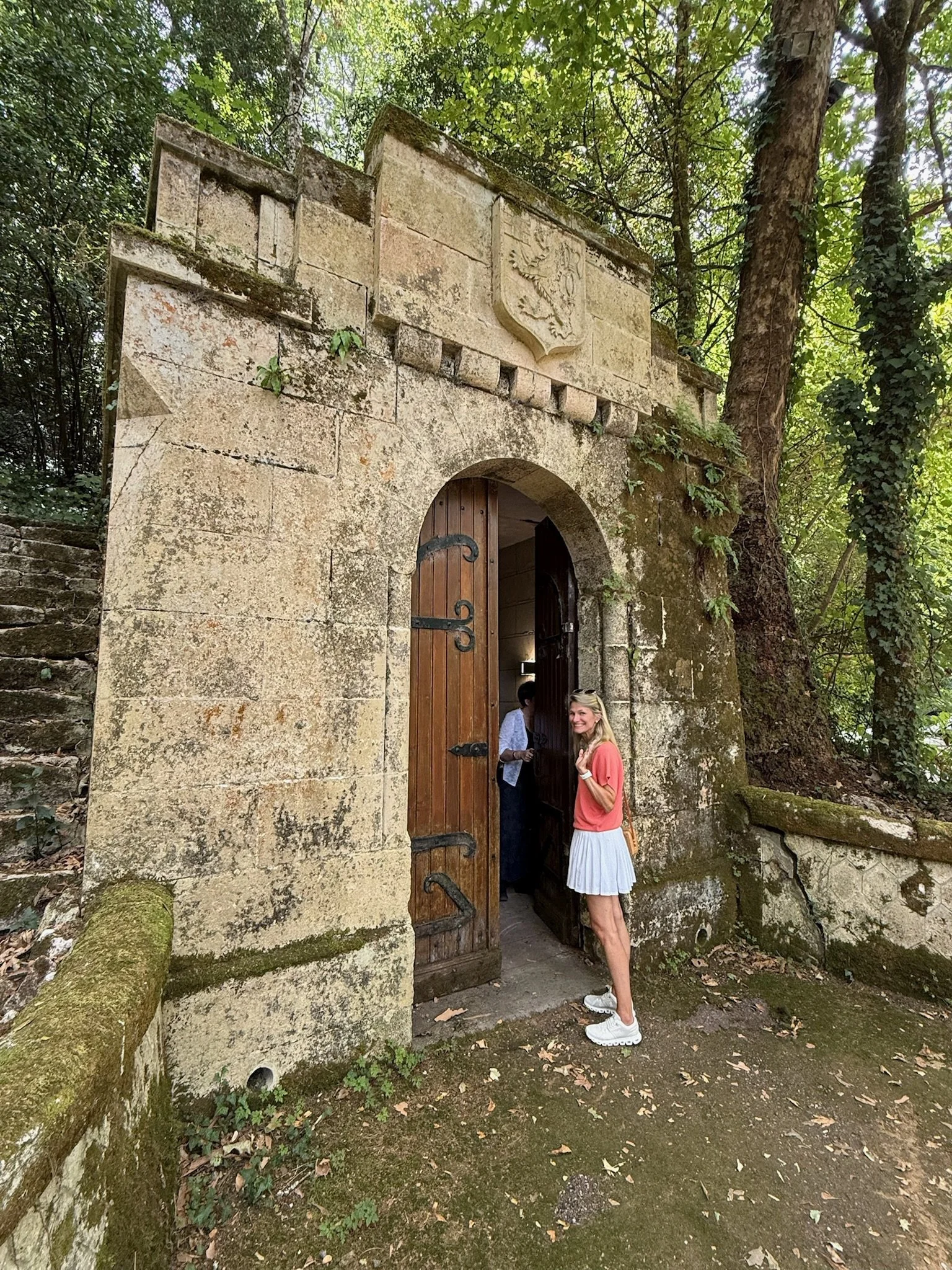
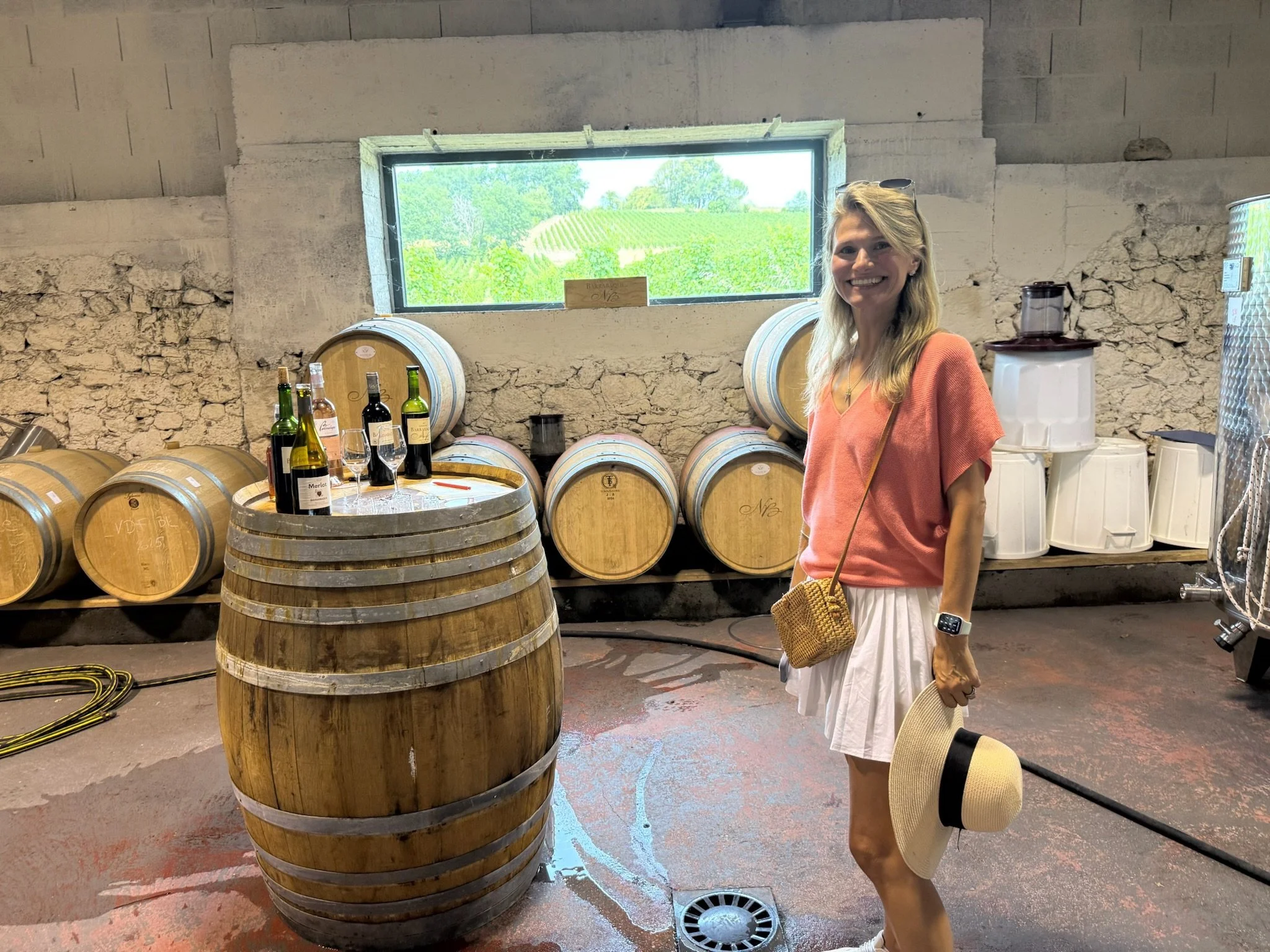
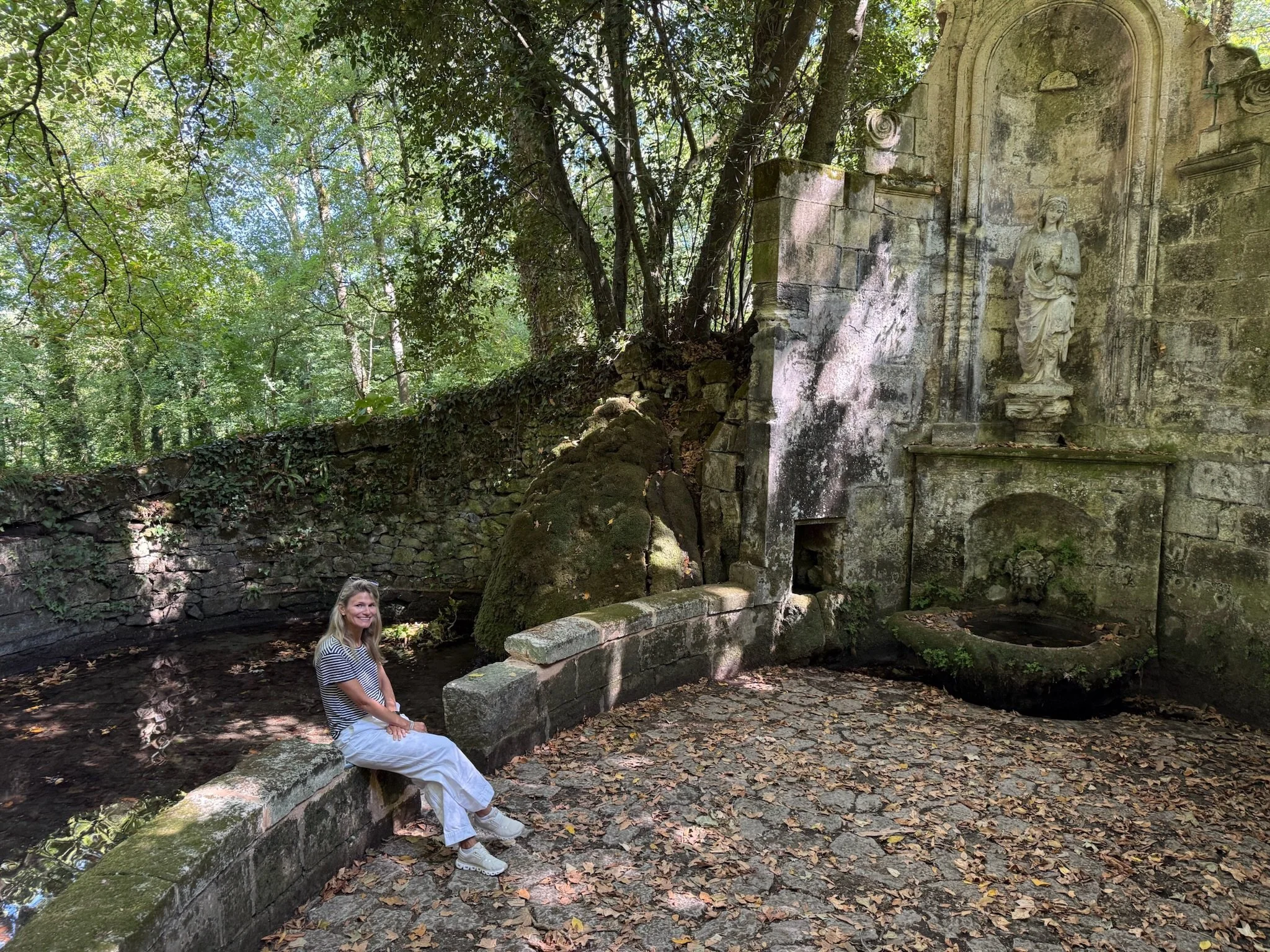
We also enjoyed sampling varieties and vintages at Chateau Barrabaque, a more local, low-key vineyard. As we moved out further into the countryside, the architecture became more humble, but the landscape was still punctuated with memorable churches, limestone tunnels, and places like Chateau De La Riviere. This 1500s castle was renovated in the 19th century and also featured a beautiful, picturesque ladies bath. Magnificent homes, some of which were built more recently, tell of the story of the power and money that resulted from the area’s wine industry and the unique terroir that remains irresistible to wine lovers’ palates today.
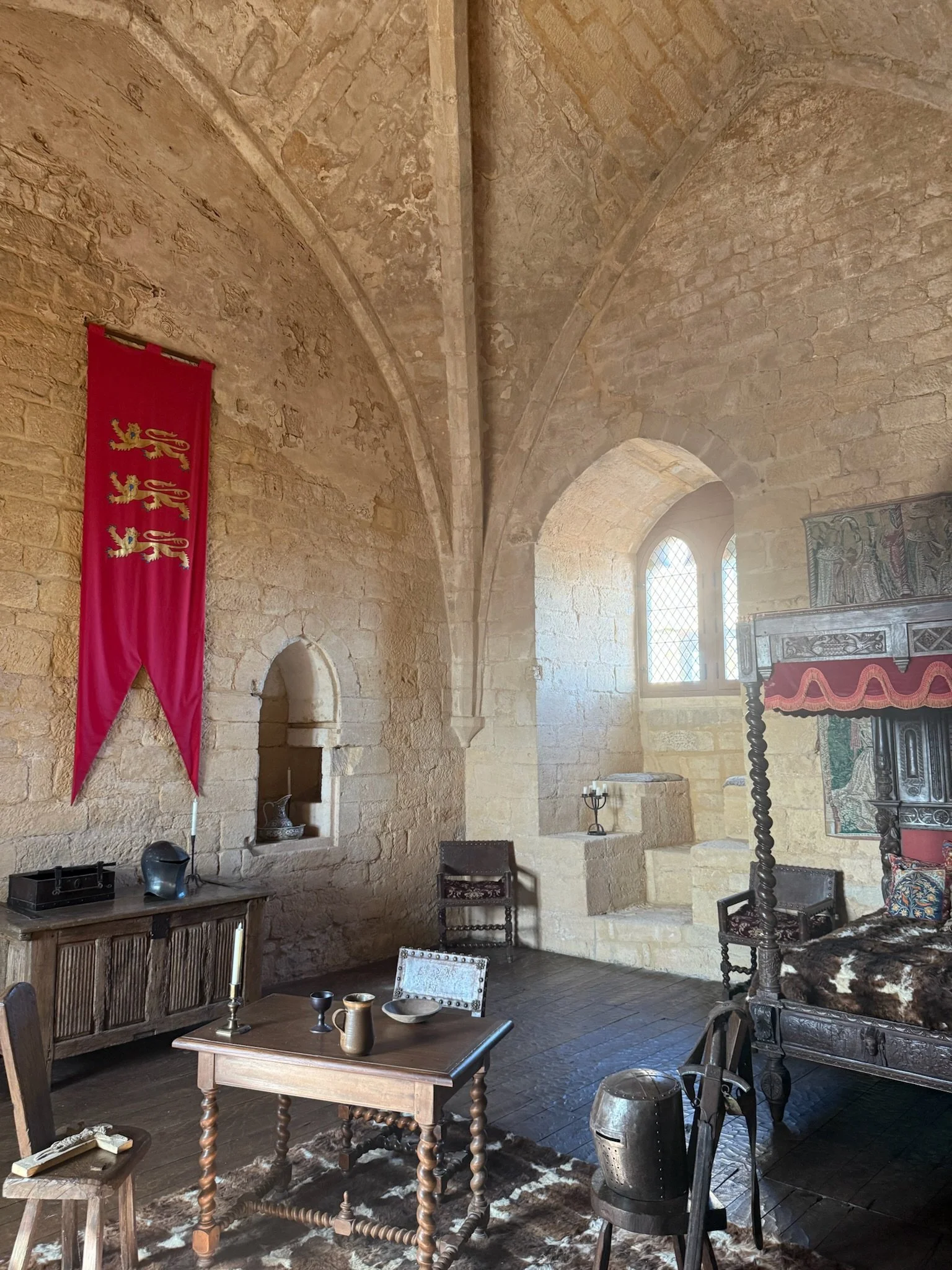
Manoir de Gisson, the nearby Sarlat home of a wealthy merchant, provided a more maximalist counterpoint, and showcased more modern interiors with many bedrooms and furniture from multiple King Louis eras (including XIV, XV, and XVI). For a furniture lover like me, it was heaven! Each room felt like reading another page in this historic dwelling’s book and getting a glimpse into how style and art evolved.
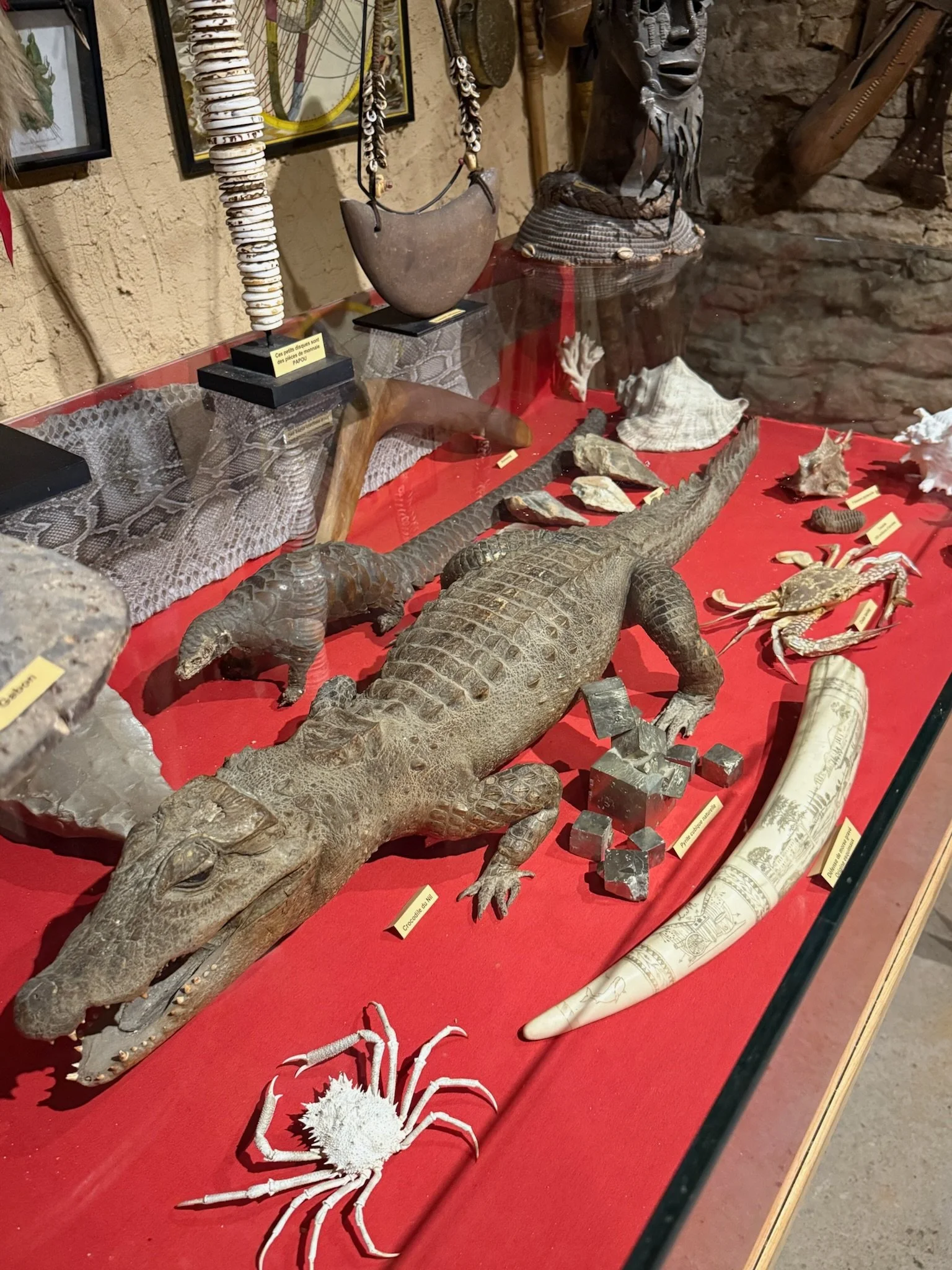
I was intrigued to learn that the lower levels of houses like these served as a sort of an early museum or exhibition hall where owners laid out eclectic and exotic collections in order to showcase their interests, personal history, and experiences and to impress dinner guests!
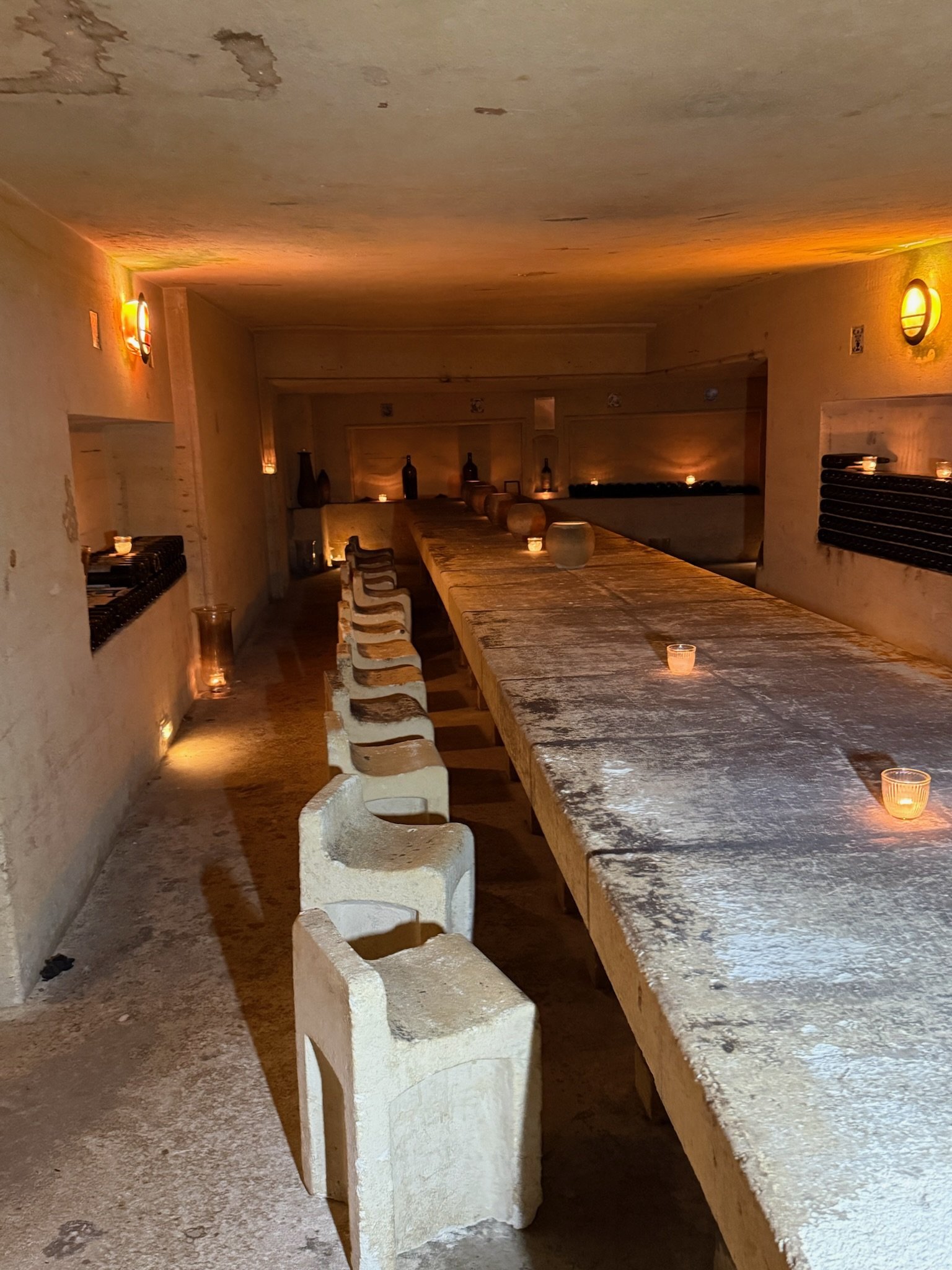
The cities and towns in the Bordeaux region beautifully reflect their shared past, while unveiling their individual charms. They also demonstrated how beauty can be found everywhere: in an imposing and functional cliffside castle, in the calm spirit of a vineyard that helped kickstart an industry hundreds of years ago, in the coolness of a subterranean limestone tunnel, and in the crystal clear water surrounding a seaside resort.
Our vacation simultaneously felt like stepping back in time while also experiencing the decidedly modern vitality and vibrance of a culture that is still continuing to evolve. We will definitely find our way back to Bordeaux to learn, experience, and sip even more!
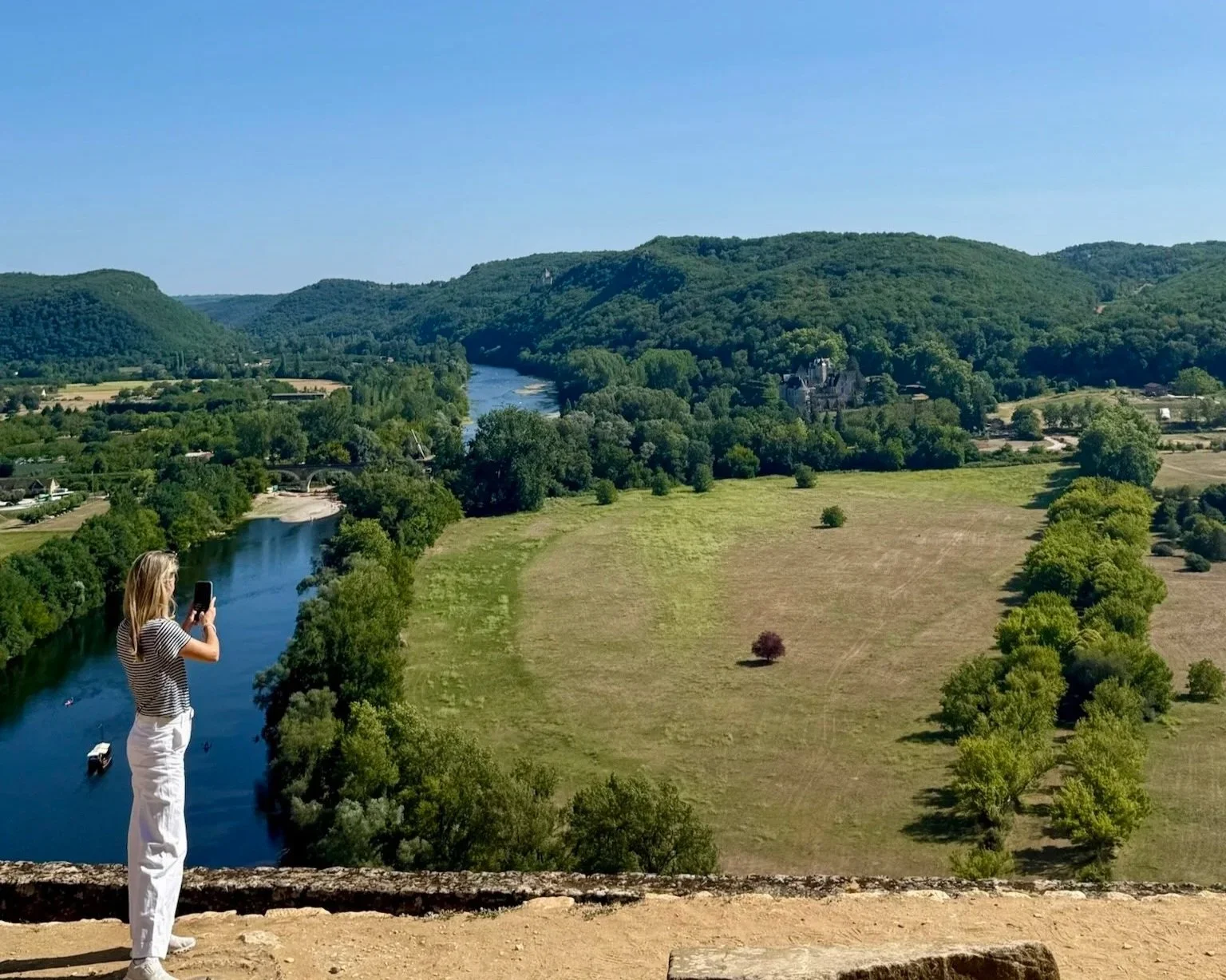
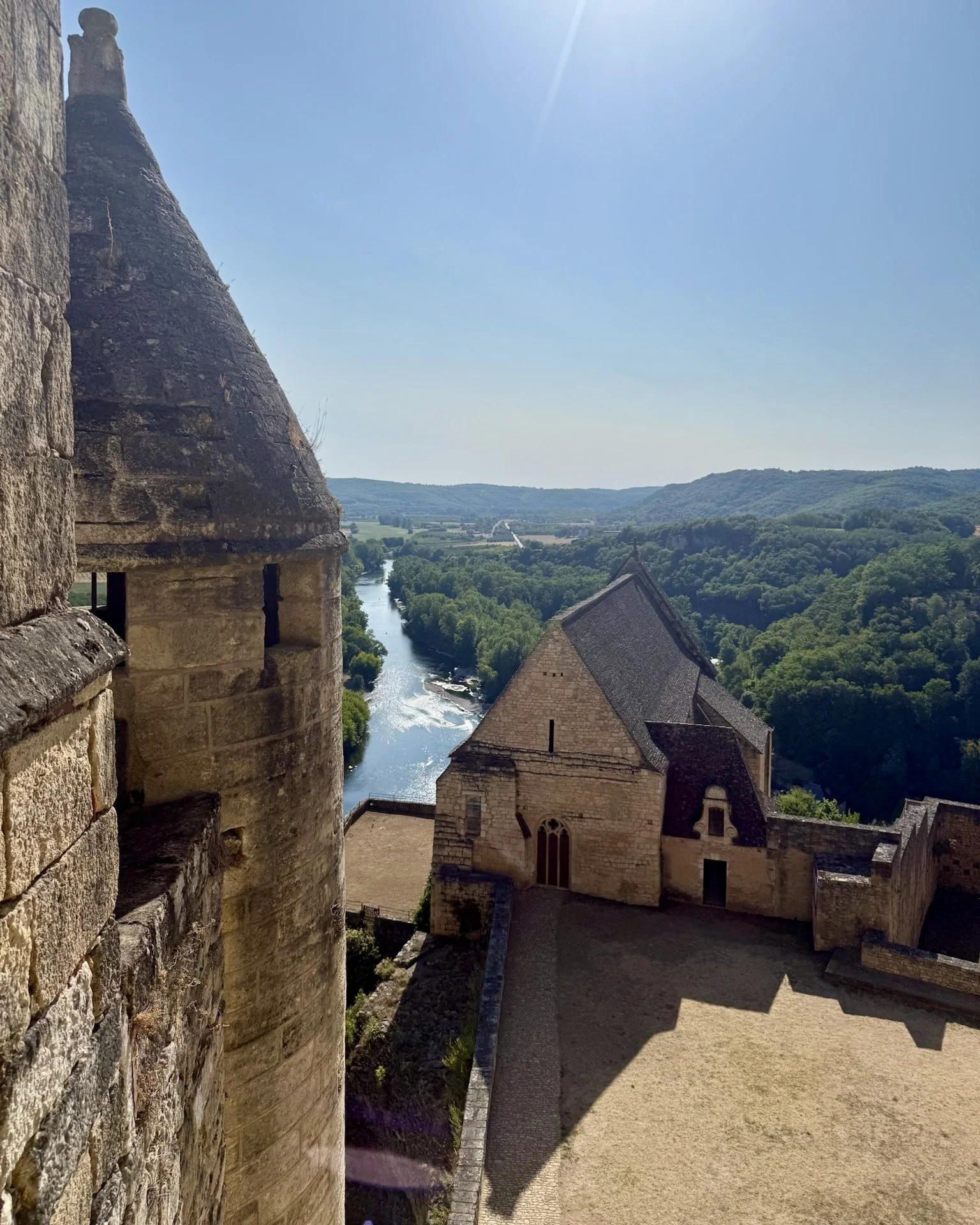
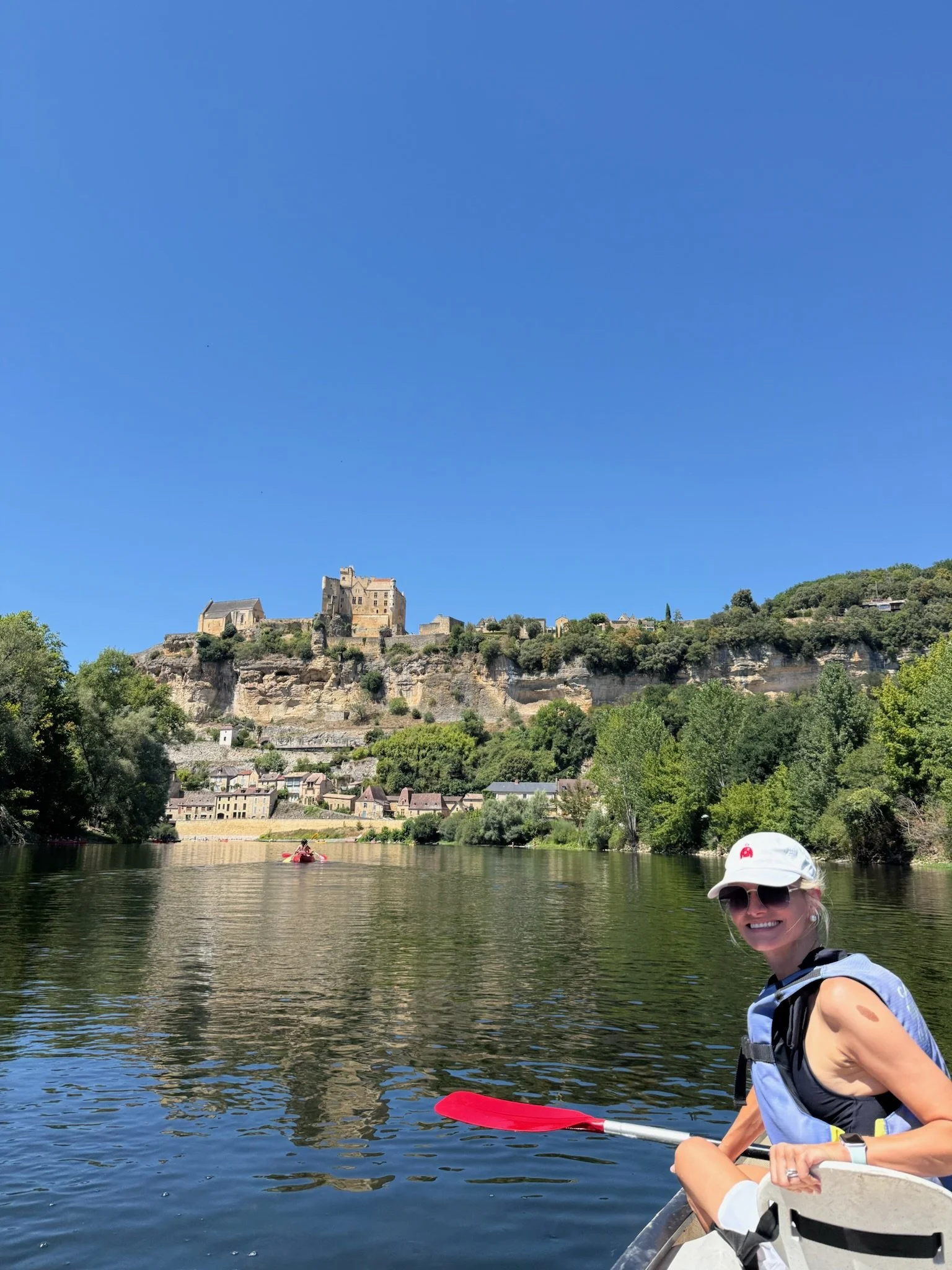
As we ventured down the Dordogne River, the views were breathtaking, especially when we took them in during a canoe excursion. The scenery could easily double for the set of an epic romance film, but the structures were built with function in mind. During the medieval era, protecting land and maintaining control were top priorities. Castles were fortresses, often built up high and on the side of cliffs for easier surveillance (and perhaps picturesque views of the ships going up and down the river).
We visited Chateau de Beynac, which was originally built in the 12th century and served as the residence of Eleanor of Aquitaine, the Queen of England and then France. Her son Richard the Lionhearted visited, and, ever the soldier, insisted on sleeping high up in the tower in order to keep watch. Despite its impressive royal inhabitants and size, this stone dwelling feels spartan and far from cozy, reflecting the harsh living standards even for the wealthy at that time.
To memorably finish out our trip, in Arcachon we stayed at La Co(o)rniche, which began as a hunting lodge in the 1930s and was redone by famed designer Philippe Starck to include cabins that resemble the oyster and fishing cottages in nearby Cap Ferret.
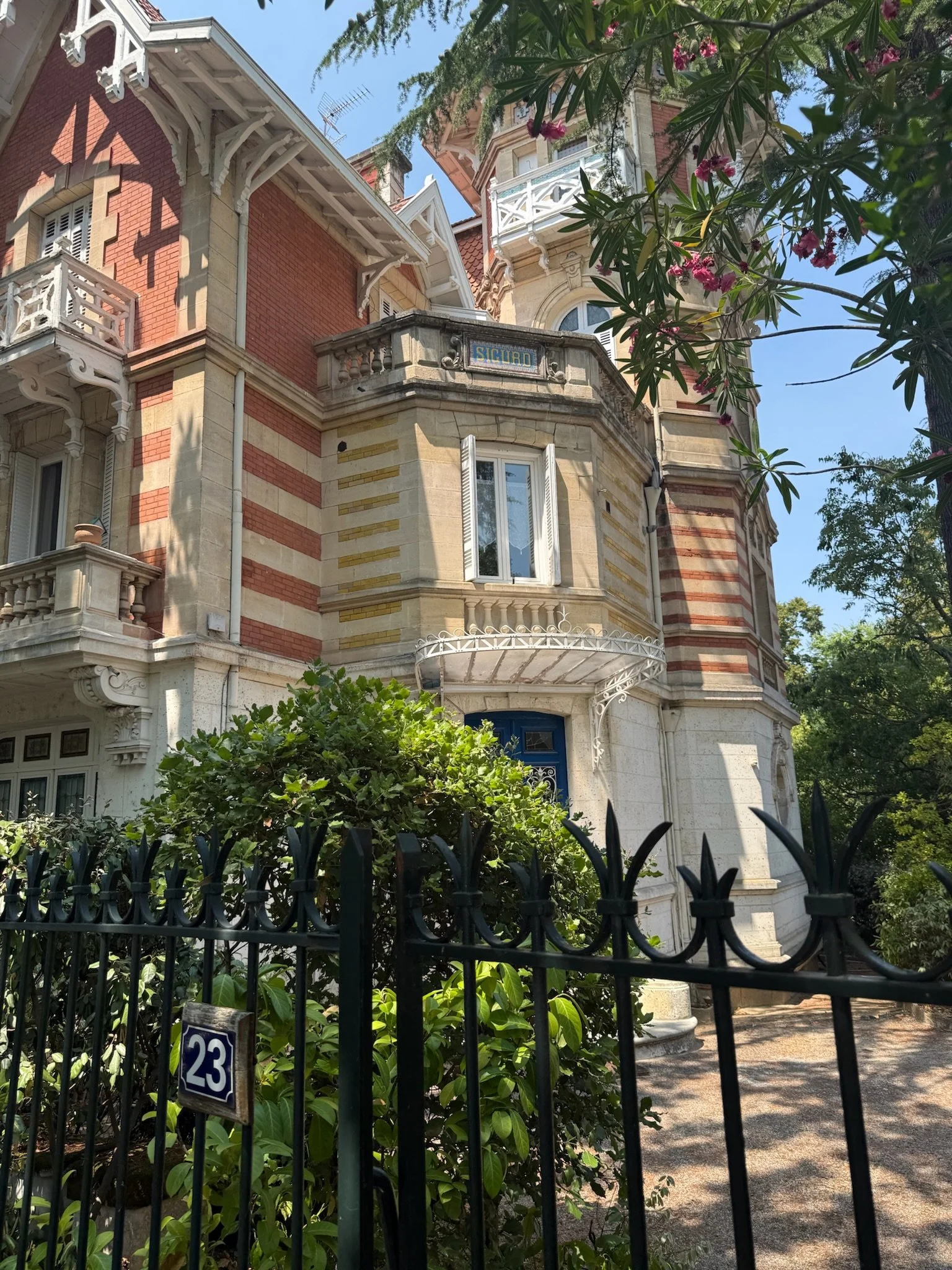
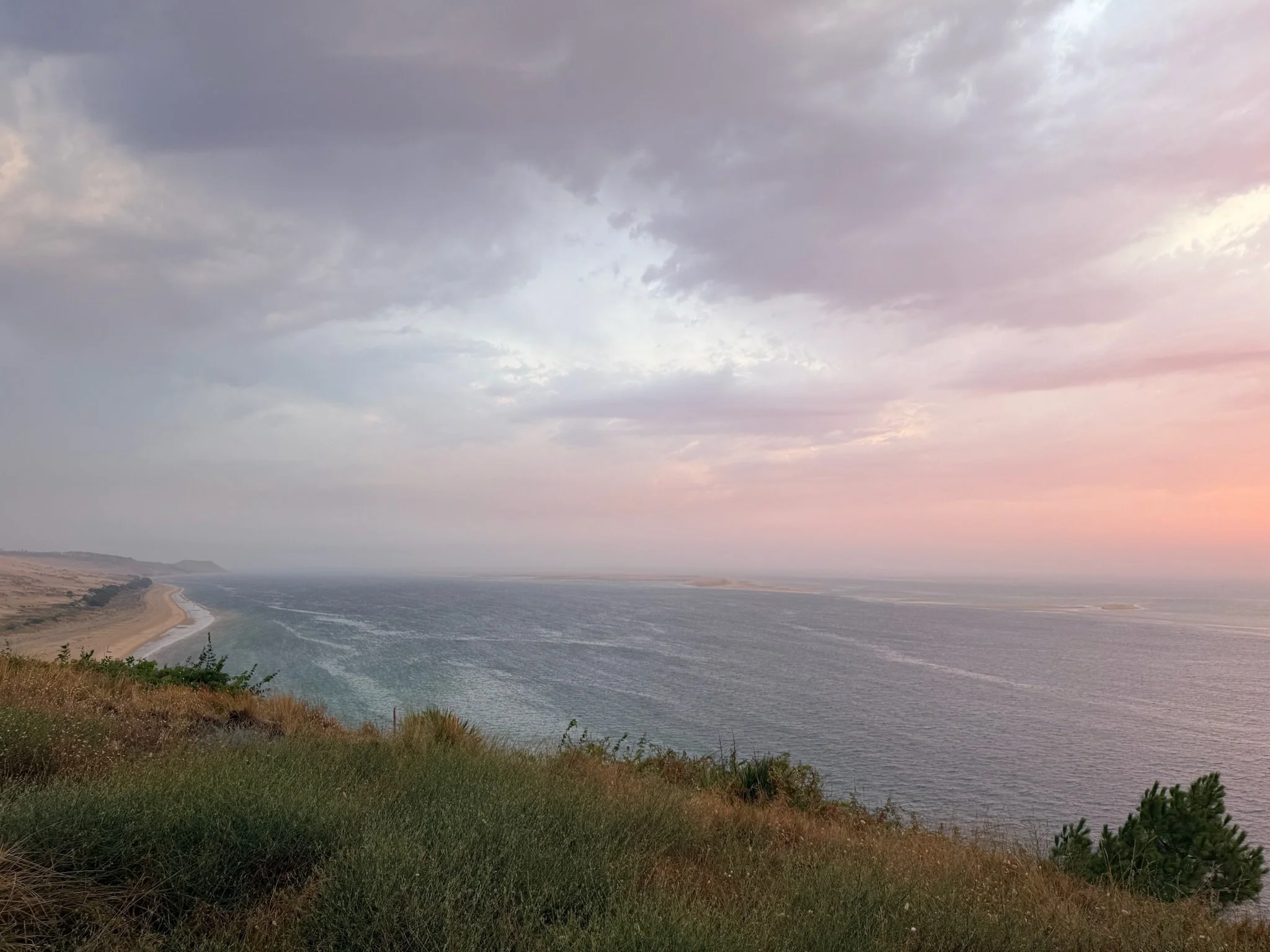
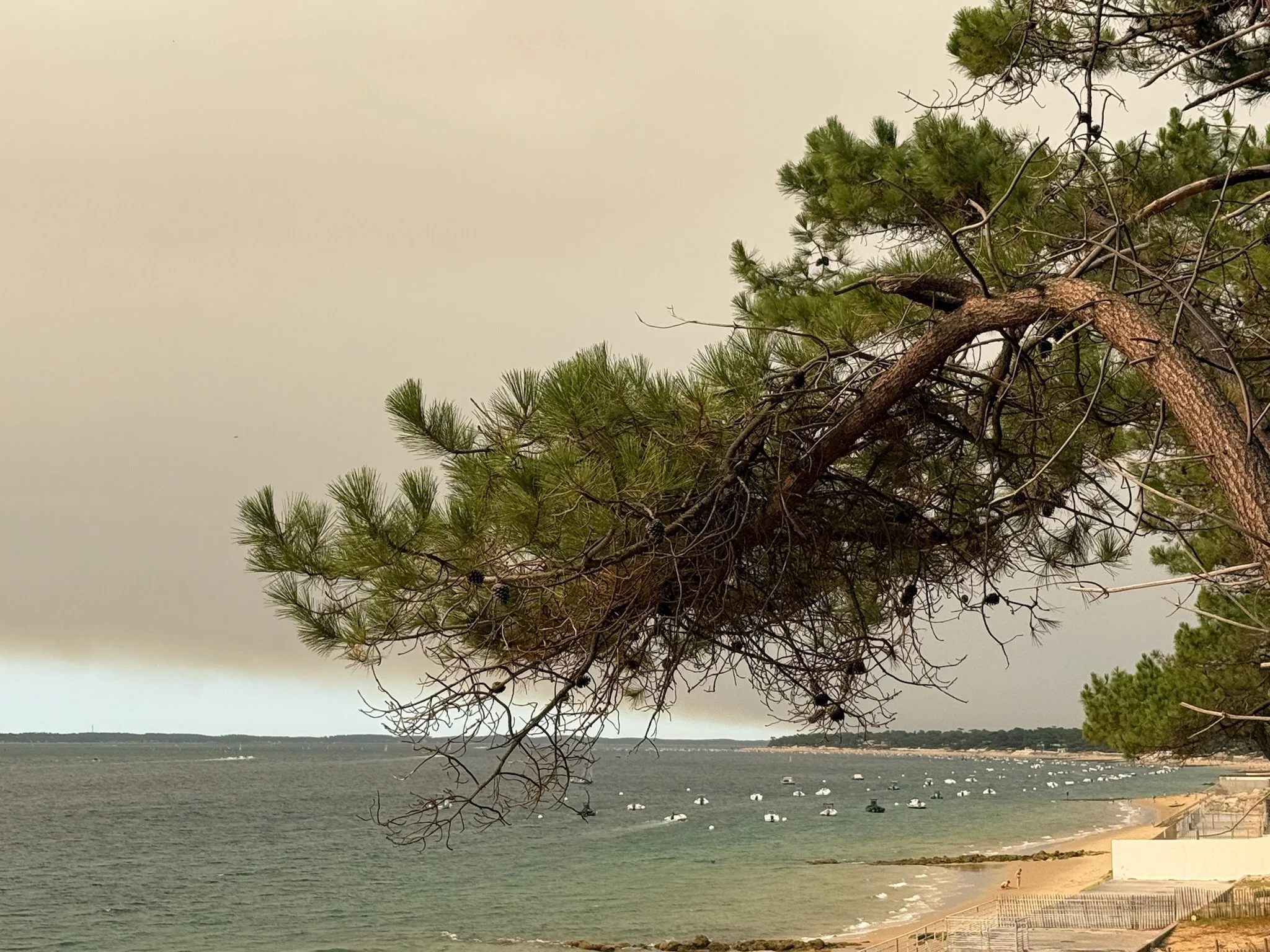
Although fires kept us from being able to travel to nearby Cap Ferret, we enjoyed our time exploring this area which Napoleon III transformed by extending a direct train route to Arcachon from Bordeaux and by bringing in resort visitors (including foreign royalty) seeking sun, fresh air, and good health. Napoleon and investors (re)built the town and the unexpected architecture, which combines “Swiss Chalet” influences with Moorish, Gothic, and more typical seaside styles, demonstrates the desire to accommodate these new tourists and residents.

How does travel influence interior design? Sara Hillery Interior Design explores lessons from Bordeaux’s architecture, historic cities, artisan craftsmanship, French interiors, and landscapes that inspire residential design projects.




Quisque iaculis facilisis lacinia. Mauris euismod pellentesque tellus sit amet mollis.