
In honor of the 250th anniversary of the nation, we wanted to share some design details that we love from the homes of a few of our founding fathers. These historic homes showcase a desire for balancing function and beauty. Studying them reminds us that good design, like good leadership, is truly timeless and always should be honored and shared.
Thomas Jefferson’s Monticello
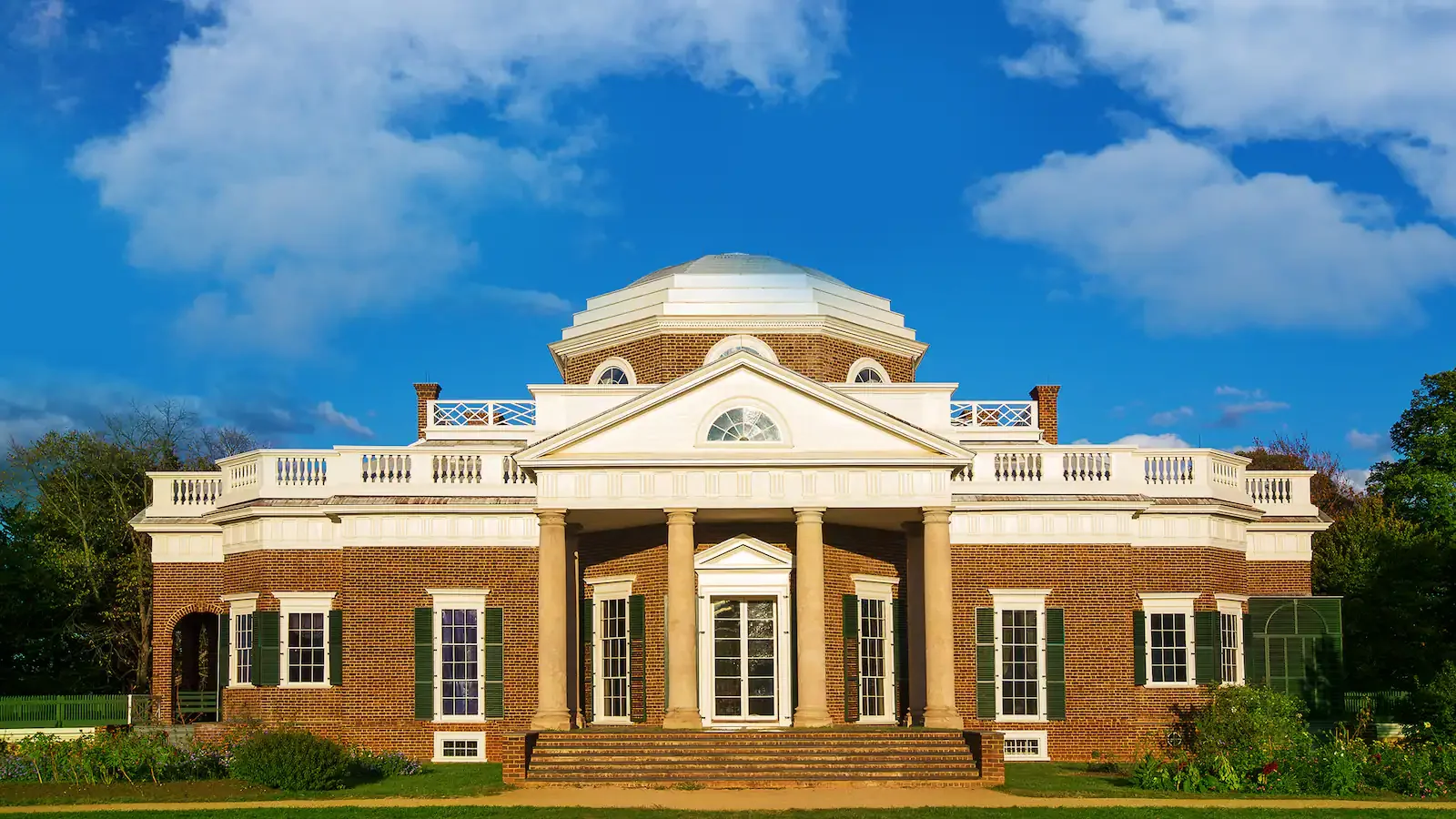
We have spent quite a bit of time in the Charlottesville area and have visited Thomas Jefferson’s Monticello over several decades. Each time, we uncover design elements that showcase Jefferson’s love of French and Italian culture as well as his Virginia roots. Monticello was clearly the home of someone who loved to entertain and who incorporated grand entrance halls and cheerful dining rooms.
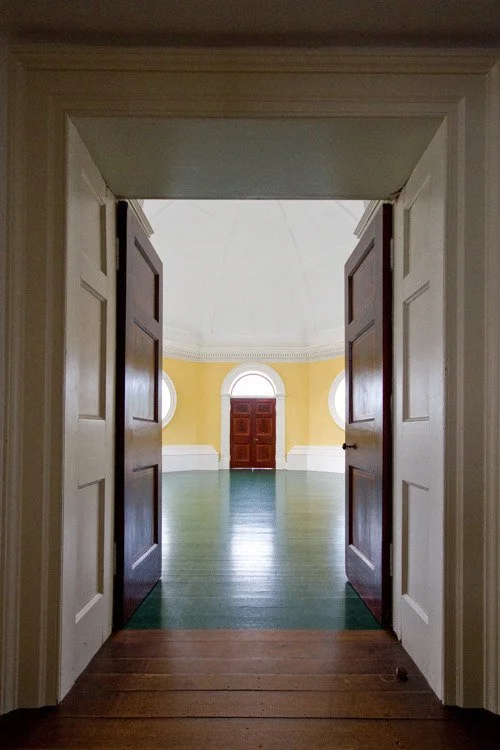
Color is expertly used to transition beautifully from room to room, creating an inviting flow that beckons visitors to continue exploring. The soaring windows are both functional and aesthetically pleasing, crafted with an eye for maximizing light and allowing for views of the grounds as well as for ensuring that air can flow more freely.
The unique triple sash (or vertical three panel) design breaks down the barrier from the inside to the outside world since the windows can also serve as doors by moving the bottom sash upwards.
James Madison’s Montpelier
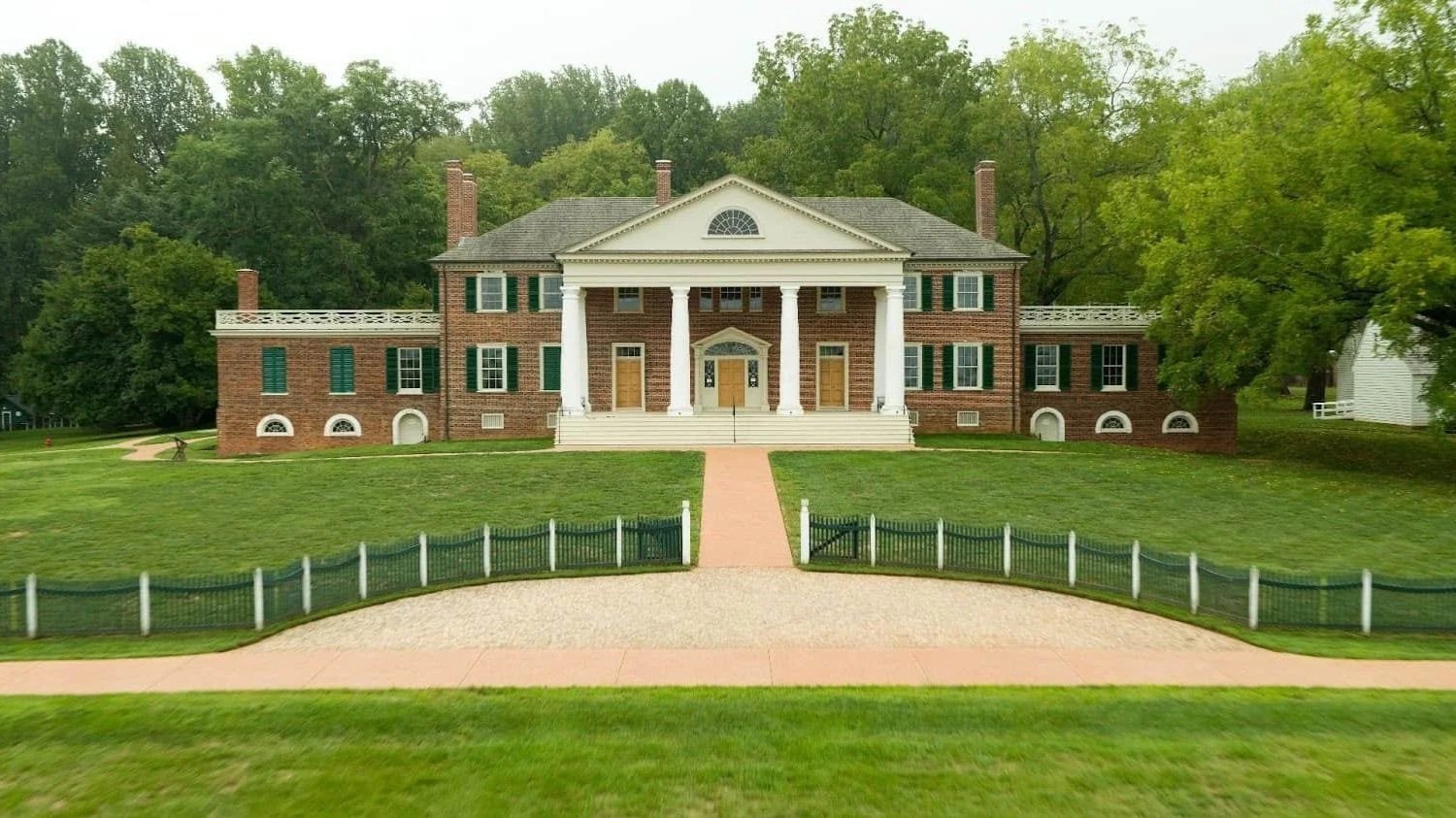
Home to James Madison, Montpelier is more inviting than it is imposing; it was built in three stages over the course of nearly 50 years and reflects Madison’s evolving needs. A grand front porch served as a space for welcoming and entertaining guests; today it still welcomes visitors (and makes those interior grand halls less intimidating).
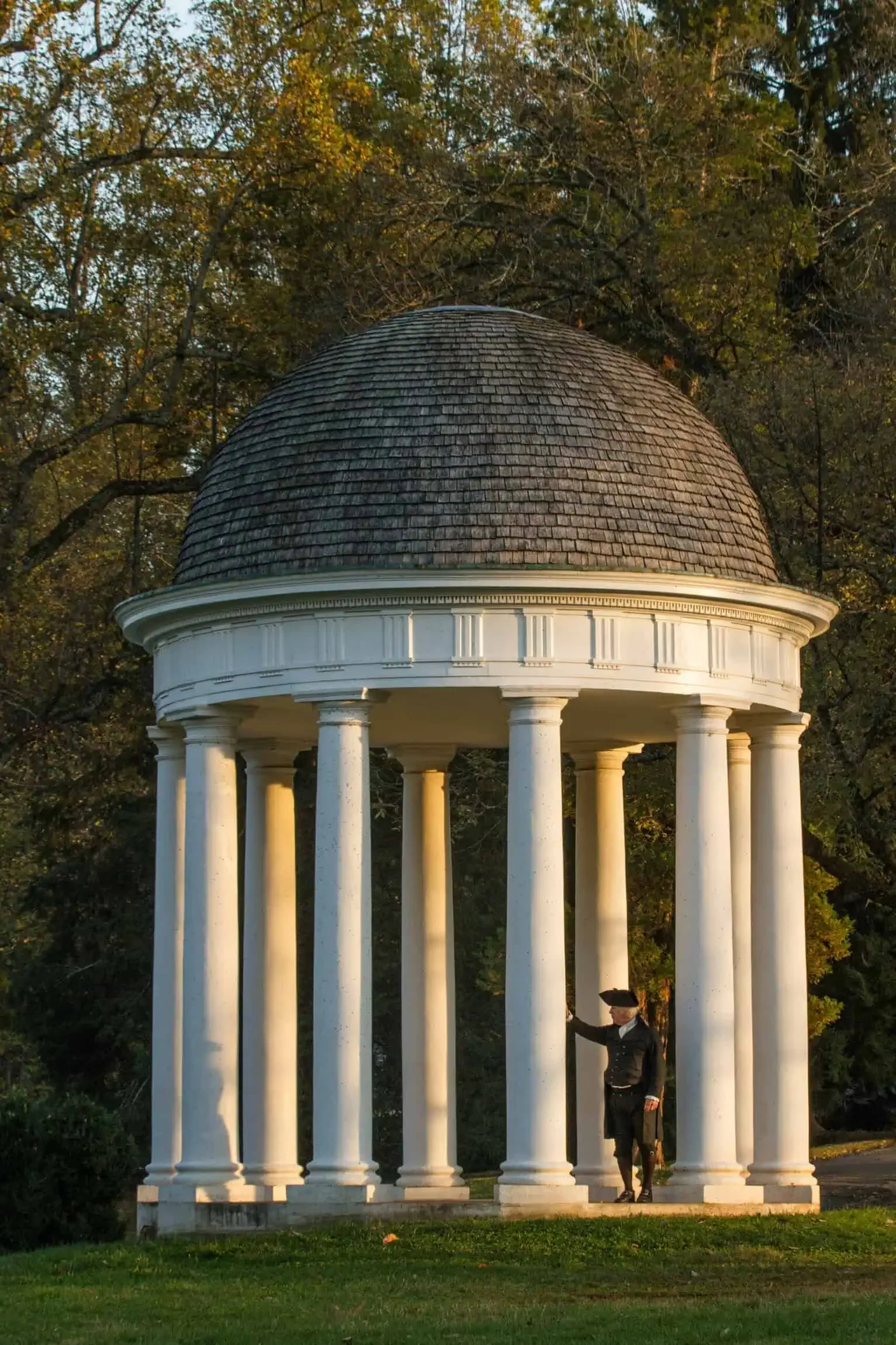
Montpelier’s emphasis on the importance of outdoor spaces continues with the ground’s gardens and the resulting commanding views. The redesigned garden of later owner Annie DuPont in the early 1900s combines historic plant varieties from Madison’s time with formal elements such as brick walls and terraces.
Our homes don't always have the luxury of that kind of space, but we can use well planned gardens at a different scale as well as seating to enjoy the outdoors.
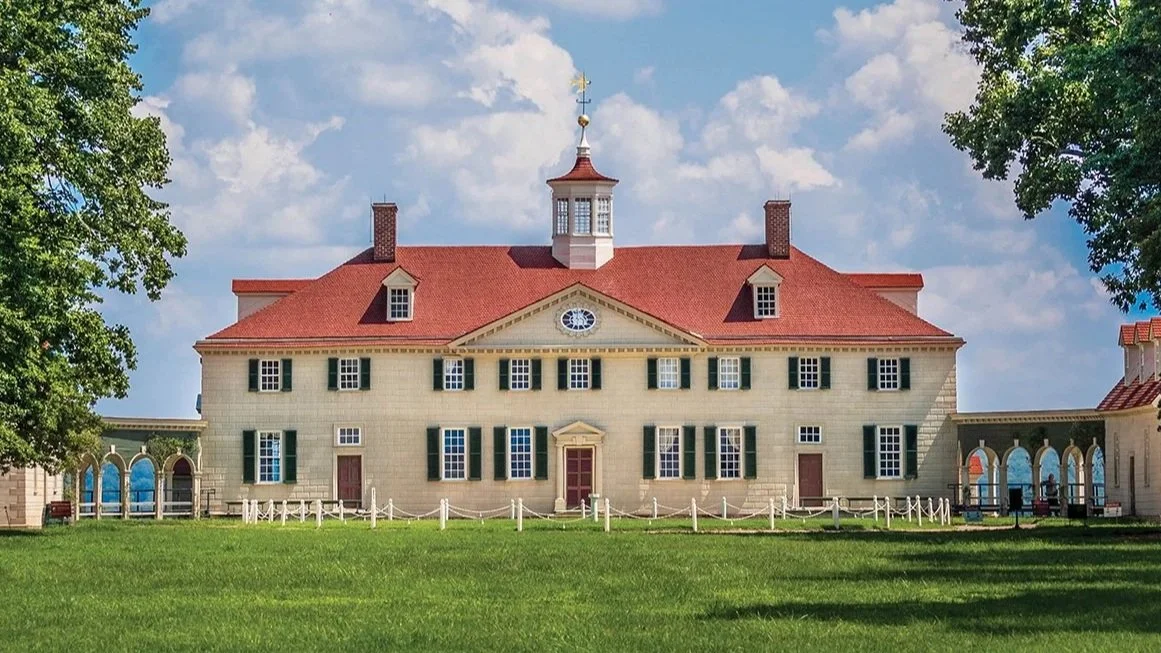
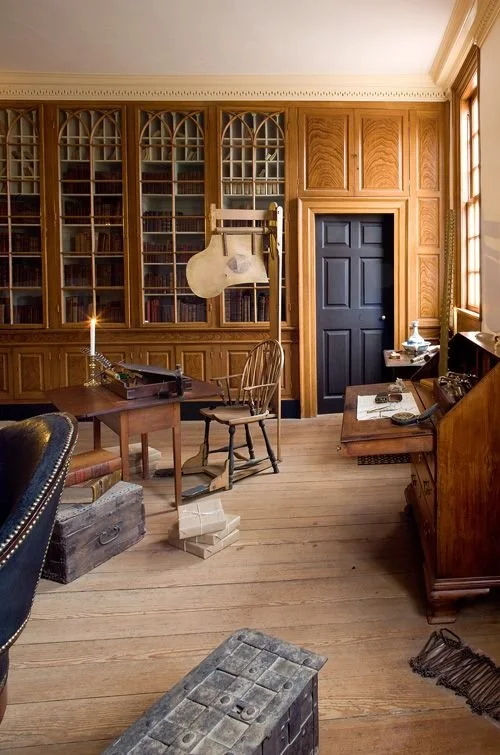
George Washington’s Mount Vernon
George Washington’s beloved Mount Vernon reflects the heart and soul of the country’s industrious first President. Working spaces such as the kitchen are kept simple and utilitarian while beautiful built-ins function perfectly for the huge library Washington curated as part of his lifelong learning efforts.
The simple effortless charm created by mixing old wood and rustic brick in spaces like the kitchen contrasts with the drama and luxury found in the bedrooms through drapery on the windows as well as framing the beds
All three of these homes are easily accessible from Richmond, but they are worth a trip from wherever you live. As we reflect on the country’s first 250 years and look forward to its continued evolution, we believe that these homes provide critical insights into our founding fathers’ lives and the way that they worked, planned, and continued to strive for the American dream.

Explore how Sara Hillery Interior Design interprets the timeless architecture of Virginia’s historic estates, like Monticello and Mount Vernon, to help you master the perfect balance of function and beauty in your own modern living space.
